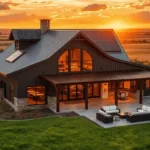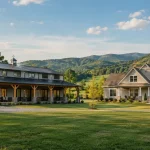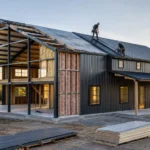
Yes, you can finance a barndominium in Tennessee. We help clients work through this on every single build we take on. It is not the same process as financing a traditional home, and if you walk into a bank without understanding that, you are going to waste time. The lenders who say no to barndominium projects are usually the ones who do not understand them. The ones who say yes have done it before, know what documentation they need, and know how to handle the appraisal. This guide explains what we see on the ground, from the builder side of the table.
Why Barndominium Financing Works Differently in Tennessee
Most banks are set up to lend on conventional stick-built homes. When a barndominium application comes across the desk, the lender is looking at a steel or post-frame structure with an open floor plan that does not look like anything in their standard checklist. That creates hesitation. Not because the build is inferior, but because the lender cannot easily compare it to recent sales in the area to establish value.
That comparison problem is where most financing issues start. Lenders need comparable sales to approve a loan. In areas where barndominiums are newer or less common, those comps are hard to find. We have seen solid projects stall at the appraisal stage purely because the appraiser had no reference point for a metal-frame residential build. The fix is straightforward once you know it: use a lender who has financed barndominiums before, and push for an appraiser with specific experience valuing this type of construction.
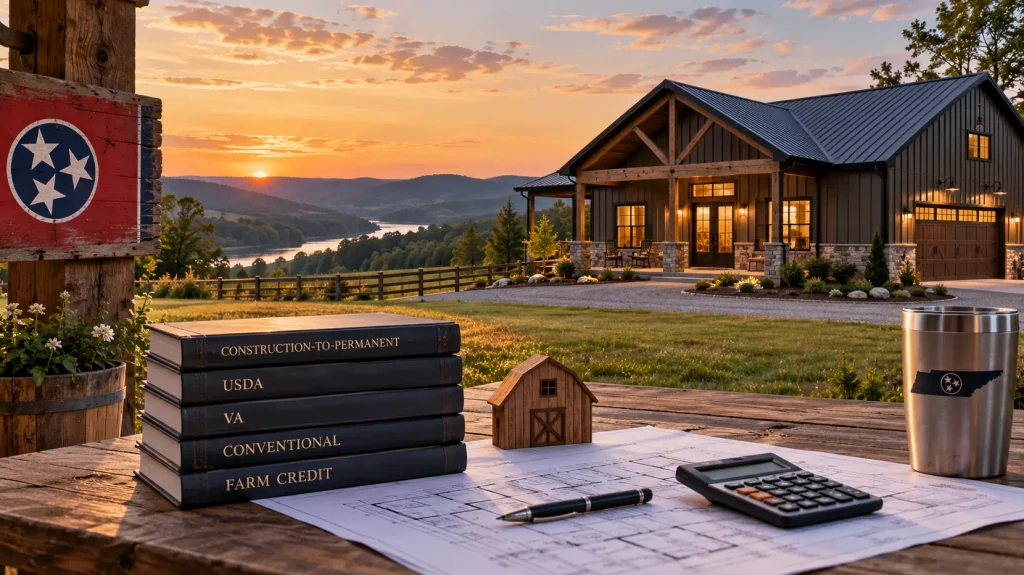
The Loan Types Commonly Used for Barndominiums in Tennessee
We are not lenders, and we do not give financial advice. What we can tell you is what loan types we see clients use most often, and what tends to work in Tennessee. Every borrower’s situation is different, so the right fit depends on your land, your finances, and whether you have served in the military.
Construction-to-Permanent Loans
This is the most common route for clients building a new barndominium from scratch. A construction-to-permanent loan, often called a one-time close loan, covers the build and then rolls into a standard long-term mortgage when construction is finished. You go through one application, one set of closing costs, and one lender relationship from start to finish.
The alternative is handling land, construction, and permanent financing as three separate loans with three separate closings. We have seen clients go that route, and it adds cost and complexity. The one-time close structure is simpler and, in our experience, easier to manage when you are also coordinating a full build. For a barndominium build in Tennessee, keeping your financing streamlined from the beginning makes the whole project run cleaner.
USDA Rural Loans
A significant portion of Tennessee qualifies as rural under USDA guidelines, which means a lot of our clients are eligible to explore this option. USDA loans are designed for rural residential builds and can allow qualified borrowers to finance without a large down payment. What we tell clients is to check whether their specific parcel qualifies before assuming it does, because eligibility is determined by address, not just by how rural the land feels.
The barndominium has to be your primary residence and has to be built to residential standards with proper utilities and a permanent foundation. From the build side, we make sure those requirements are met regardless of loan type. The longer appraisal timelines that come with USDA on non-traditional builds are worth factoring into your project schedule.
VA Loans
For eligible veterans and active-duty service members, VA loans are worth a serious look. No down payment requirement and competitive rates make them one of the strongest options available. The structure has to meet VA minimum property requirements, which means it has to be a properly permitted residential dwelling. That is something we build to as a matter of course.
West Tennessee barndominiums are often built on larger rural tracts that tend to suit VA loan requirements well, particularly when clients are purchasing land as part of the same transaction.
Conventional Construction Loans
Conventional loans through banks and credit unions are another route, particularly for clients with strong credit and a solid deposit ready. They typically require a larger down payment than government-backed options and a stronger credit profile, but they can offer more flexibility in how the loan is structured. The documentation requirements are detailed, and lenders will want to see complete plans, engineering, and a confirmed builder before approving anything.
This is where working with turnkey barndominium builders who handle design and engineering in-house makes a real difference. When we can hand a lender a complete, professionally documented build package, the review process moves faster and with fewer back-and-forth requests.
Farm Credit Lenders
Farm Credit is a network of agricultural lenders that genuinely understands rural construction. Tennessee Farm Credit in particular has financed barndominiums for years and is far more comfortable with this type of build than most traditional banks. If the property has agricultural land attached or sits on several acres, Farm Credit is often the first call worth making. They speak the language of rural builds.
Have a questions about financing a barndo in Tennessee?
What Lenders Actually Need to See on a Barndominium Build in Tennessee
From our side of the process, here is what we see lenders asking for. This is not financial advice, just what comes up consistently across the builds we manage.
- Complete architectural drawings and floor plans: Vague sketches do not cut it. Lenders want to see engineered, detailed drawings that show what is being built and what it will be worth when finished.
- A full itemised cost estimate: The scope of work and the budget have to line up. When they do not, lenders cannot accurately assess the value of the loan. This is one of the most common reasons applications stall.
- A confirmed, licensed builder: Most lenders require a licensed and insured contractor to be named before they approve construction funds. Some programs require builder pre-approval for the specific loan product.
- Land ownership or a purchase contract: Depending on the loan type, you may need to already own the land, or have a signed purchase agreement in place. Sorting this out early avoids delays mid-process.
- Residential permits, not agricultural: The structure needs to be permitted as a residential dwelling. This affects the appraisal, the insurance, and the lender’s willingness to finance it.
How Tennessee’s Geography Affects the Financing Process
Tennessee is a big, varied state, and where you build does affect how the financing process plays out. Rural land is abundant, which is one reason USDA and Farm Credit loans are so relevant here. But the specific location matters more than people expect.
In East Tennessee, the terrain adds complexity. East Tennessee barndominiums often involve sloped sites with higher site preparation costs, which affects total project value and how lenders assess the build. Appraisers working in that region need to understand the local market, not just metal-frame construction in general.
Around Nashville and the wider Middle Tennessee corridor, suburban growth has pushed a lot of buyers further out into rural counties. USDA eligibility can vary significantly by parcel in that transition zone. Middle Tennessee barndominium builders deal with this regularly, and checking USDA eligibility against the actual property address before proceeding is something we always recommend doing early.
In the western part of the state, land is generally flatter and more affordable. Barndominium sales are becoming more common in West Tennessee, which improves the comparable sales picture for appraisals. Clients building barndominiums in Memphis are closer to urban zoning and building rules, which can affect both permitting and what lenders expect to see in the documentation.
Building Codes and Permits: Why They Matter for Financing
Tennessee has significant variation in building code requirements from county to county. Some rural counties operate as opt-out counties, meaning the state residential building inspection programme does not automatically apply. We know which counties those are, and we build to residential standards everywhere regardless. Here is why that matters for financing.
A lender, an insurer, and a future buyer all expect a residential structure to be built to residential code. Opting out of the state inspection process does not change that expectation. We have seen people build barndominiums in opt-out counties under agricultural permits or with no permits at all, thinking they were saving time or money. What they actually did was make the property nearly impossible to appraise, insure, or finance. Understanding the city vs county building rules in Tennessee is foundational to getting the financing right, not an afterthought.
Septic permitting is another area that catches people out. Most rural Tennessee builds run on private well and septic systems. The septic permit is often the last thing people think about, and lenders and USDA appraisers will look for it. We factor utility permitting into the project plan from the start so it does not become a last-minute problem.
How We Help Clients Prepare for the Financing Process
Most financing problems we see on barndominium builds in Tennessee do not start with the lender. They start with the project documentation. Incomplete plans, mismatched cost estimates, or a builder who cannot provide the credentials the lender requires will slow or stop a loan application. We have seen it happen more than once.
Because we handle design, engineering, and construction in-house, barndominium builders in Tennessee who work the way we do can give clients a complete, lender-ready package without needing to coordinate between multiple parties. Engineered drawings, detailed cost schedules, builder licensing documentation, and site plans all come from the same place. That makes the lender conversation significantly more straightforward.
We also know the local lenders and appraisers in Tennessee who have done this before. We can point clients toward lenders who understand metal-frame residential construction, and we can flag when an appraiser assignment might be a problem before it becomes one. That is not financial advice, it is construction experience applied to a process that directly affects the build.
For clients building in the Jackson area, barndominiums in Jackson, TN come with Madison County-specific permit requirements that are worth working through with your builder and lender at the same time, before you have committed to a site.
Feel free to ask your barndominium financing questions.
Conclusion
Financing a barndominium in Tennessee is done every day, and we help clients navigate it on every project we build. The process takes more preparation than a standard home loan, and the appraisal stage is where things most often go sideways. Go in with complete documentation, use a lender who has financed barndominiums before, make sure the structure is permitted and built to residential standards, and build in extra time for the appraisal. Get those fundamentals right, and financing becomes one of the more manageable parts of the project.
Frequently Asked Question
Can you get a traditional mortgage on a barndominium in Tennessee?
A traditional permanent mortgage is generally available once the barndominium is built and holds a certificate of occupancy. During construction, you typically need a construction loan or construction-to-permanent financing, which then converts to a standard mortgage once the build is complete. Not all traditional lenders offer this, so it is worth identifying a lender with experience in non-conventional residential construction before you start.
What credit score do you need to finance a barndominium in Tennessee?
The minimum credit score varies by loan type. Conventional construction loans generally require a score of 620 or higher, with better terms available above 680. USDA and VA loans can be more flexible on credit requirements, with some USDA programs allowing approval below 640 based on income and payment history. Checking your credit report for errors before applying is always a useful first step.
Do you need a down payment to finance a barndominium in Tennessee?
It depends on the loan type. USDA and VA loans can offer 100% financing for eligible borrowers, meaning no down payment is required. Conventional construction loans typically require a down payment of 20% to 30% of the total project cost. Farm Credit lenders may have their own down payment requirements depending on the loan structure they offer.
Why is appraising a barndominium more difficult than a standard home?
Appraisers establish value by comparing a property to recent sales of similar homes in the area. Because barndominiums are still less common than conventional homes in many parts of Tennessee, finding comparable sales can be challenging. This is why working with an appraiser who has specific experience with metal-frame or post-frame residential builds matters. They are better positioned to support the valuation even when comparable sales are limited.
Can you use a USDA loan to build a barndominium in Tennessee?
Yes, USDA loans can be used for barndominium construction in eligible rural areas of Tennessee, which covers a significant portion of the state. The structure must be used as a primary residence, must sit on a permanent foundation, and must meet USDA property standards. Borrowers also need to fall within USDA income limits for their county. USDA construction loans may take longer to process due to the appraisal requirements for non-traditional builds, so building that extra time into your schedule is worth doing.