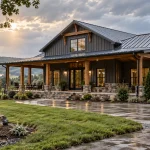
Barndominiums are often sold as low-maintenance homes, and compared with many houses they are. Steel framing does not rot, metal panels do not need frequent repainting, and a well-built slab can last for generations. But low maintenance is not no maintenance. Tennessee humidity, heavy rainfall, summer storms and winter freezes all work on a building over time. If you are asking how long do barndominiums last, the honest answer is that it depends heavily on how the home is maintained. This guide sets out what to check, when, and why, across the first 10 to 20 years.
How Long Do Barndominiums Last in Tennessee?
A well-built barndominium can last many decades. The structural frame, foundation and metal roof are long-life components when they are designed correctly and protected from water. Industry guidance and builders commonly describe properly maintained barndominiums lasting 50 years or more.
The weak points are not usually the steel or the concrete. They are the smaller parts that protect them:
- Sealants at roof and wall penetrations
- Fastener washers on exposed-fastener metal panels
- Flashing, trim and gutter connections
- Door and window seals
- Site drainage around the foundation
- Mechanical systems such as HVAC and water heaters
When those smaller parts fail and are not repaired, water and humid air reach the structure and insulation. That is when a long-life building starts to age early.
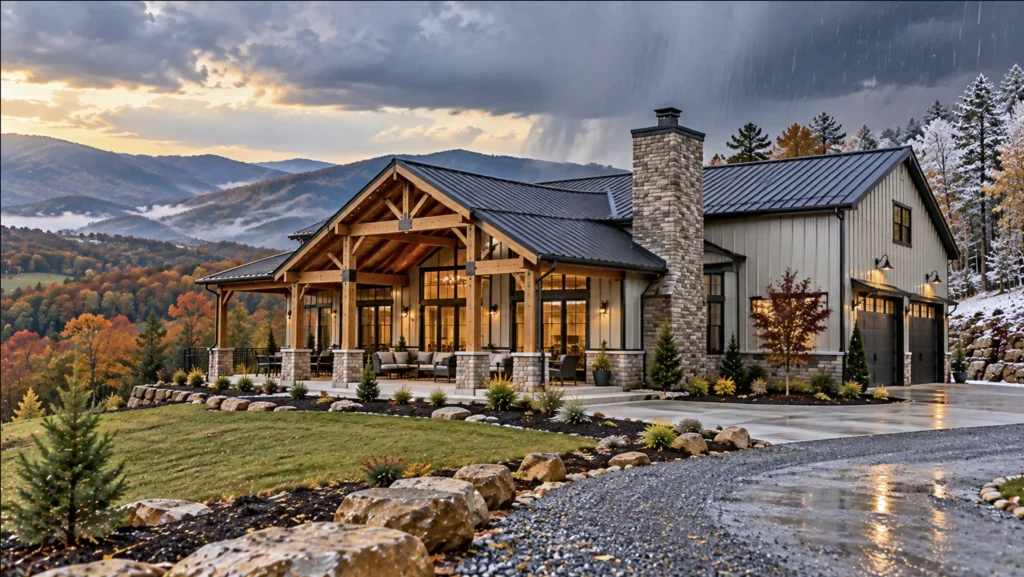
Why Tennessee Conditions Shape Barndominium Maintenance
Tennessee has a humid climate with substantial rainfall across all three Grand Divisions. Summers are hot and sticky, thunderstorms are frequent, and winters bring freezing nights, especially at higher elevations. Each of these puts different stress on a metal building.
- Humidity: encourages mildew on siding, condensation risk inside the envelope and moisture in crawlspaces.
- Heavy rain: tests flashing, gutters, downspouts and site drainage.
- Severe storms and hail: can damage panels, trim, gutters and overhead doors.
- Freeze and thaw cycles: work on concrete, sealants and exposed plumbing.
- Thermal movement: metal panels expand and contract daily, which loosens fasteners over time.
Understanding how Tennessee weather affects barndominium design helps explain why some maintenance tasks matter more here than in drier states. The same humidity and rainfall that shape insulation and roofing choices also decide where to look during inspections.
The First Year: Settling In and Catching Early Issues
The first year is when small construction issues show up. Concrete cures, framing settles, and the building goes through its first full cycle of Tennessee seasons.
During the first year, check for:
- Hairline slab cracks, which are common, and any cracks that widen or shift
- Doors that start to stick or gaps that open around trim
- Leaks at roof penetrations after the first heavy storms
- Water pooling near the foundation after rain
- Condensation on windows, metal surfaces or ductwork during humid weather
- HVAC performance in both peak summer and winter conditions
Keep a simple log with dates and photos. If you built with a warranty, that record makes it easier to raise issues within the warranty period. Working with Tennessee barndominium contractors who offer a clear first-year walkthrough is a practical way to catch and close out these items early.
Planning a low-maintenance barndominium in Tennessee?
Annual Barndominium Maintenance Checklist
A once-a-year inspection, ideally in spring after winter weather and before summer storms, covers most of what a Tennessee barndominium needs.
Roof and Exterior
- Walk the perimeter and look for loose, missing or backed-out fasteners
- Check sealant around vents, pipes, skylights and roof curbs
- Inspect ridge caps, gable trim and corner trim for gaps
- Look for scratches or damaged coating that could lead to rust
- Wash off dirt, pollen and mildew with mild soap and water
Gutters and Drainage
- Clear leaves and debris, especially after fall in wooded areas
- Confirm downspouts discharge well away from the foundation
- Check that soil still slopes away from the slab or crawlspace
- Look for erosion channels or new low spots around the building
Doors, Windows and Openings
- Inspect weatherstripping on entry and overhead doors
- Lubricate overhead door tracks, rollers and springs as the manufacturer recommends
- Check window seals and caulking for cracks or gaps
Interior and Mechanical
- Replace HVAC filters on the schedule the manufacturer sets
- Have the HVAC system serviced before cooling and heating seasons
- Check indoor humidity during summer and look for musty smells
- Test smoke and carbon monoxide detectors
This routine takes a few hours a year. Skipping it is how small leaks turn into insulation damage, rust or mold.
Metal Roof and Siding Maintenance Over Time
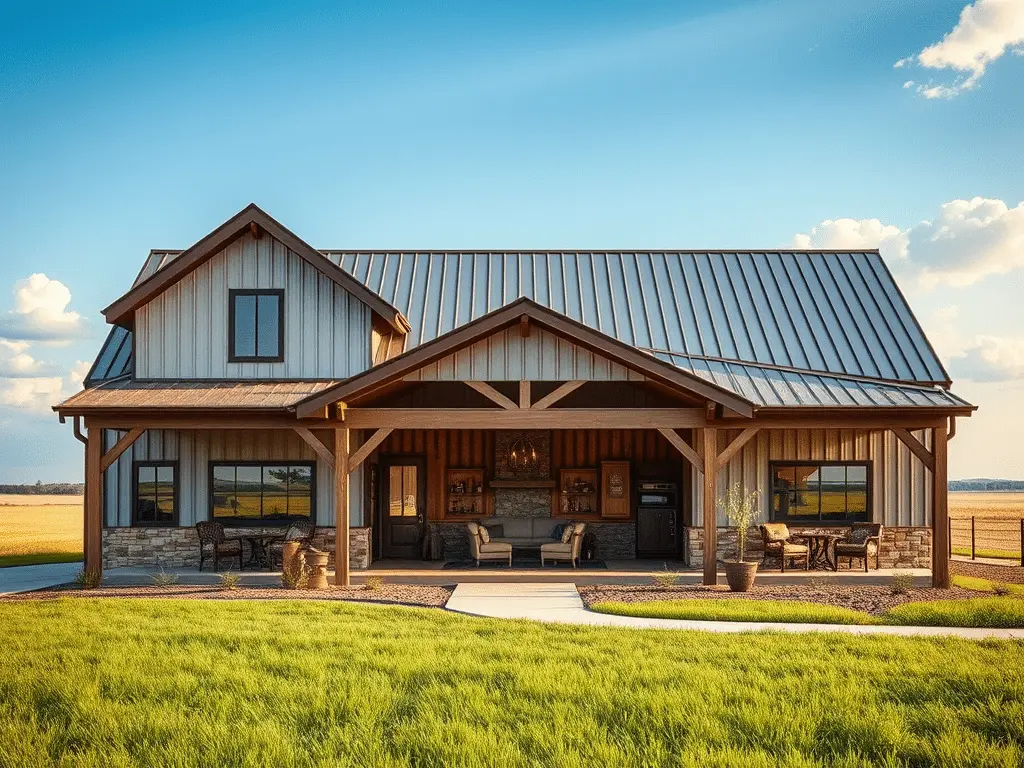
The metal roof is usually the most important exterior system to maintain. It sheds Tennessee rain, takes the brunt of hail and wind, and expands and contracts with every temperature swing.
Exposed-Fastener Panels
Many barndominiums use exposed-fastener panels, where screws pass through the metal with a rubber or neoprene washer to seal the hole. Over years of sun, heat and thermal movement, those washers can harden or crack and screws can back out slightly. Plan to inspect fasteners regularly and expect to tighten or replace some of them as the roof ages.
Standing Seam Panels
Standing seam roofs hide their fasteners and use clips that let panels move. They generally need less fastener maintenance, but seams, trim and penetrations still need periodic checks.
Paint Finish and Rust Prevention
Panel coatings fade and chalk slowly over time. Fading is mostly cosmetic, but scratches that expose bare steel should be touched up with the manufacturer’s matching paint before rust develops. Check your panel warranty for the finish and what it covers.
A builder who understands metal systems will design the roof with maintenance in mind. Working with a metal building contractor in Tennessee who specifies the right panel profile, fasteners and trim details at the start reduces how often the roof needs attention later.
Moisture, Humidity and Condensation Control
Moisture is the biggest long-term threat to a Tennessee barndominium. Water from outside and humid air from inside can both cause damage if the building envelope or ventilation is not working as designed.
Signs of moisture problems to watch for include:
- Water stains on ceilings or walls
- Rust spots on interior metal or fasteners
- Musty smells, especially in closets, shops or crawlspaces
- Condensation on ductwork, windows or exposed steel
- Peeling paint or swelling trim
Use bathroom and kitchen exhaust fans every time, keep the HVAC system properly maintained so it removes humidity, and investigate any recurring condensation rather than wiping it away. In homes with a crawlspace, check the vapor barrier and any dehumidification equipment each year.
Elevation and terrain change the picture across the state. In East Tennessee barndominiums, colder winters at higher elevations bring more freeze cycles, while wooded mountain lots add shade, debris and slower-drying exteriors that need extra attention.
Foundation and Site Drainage Maintenance
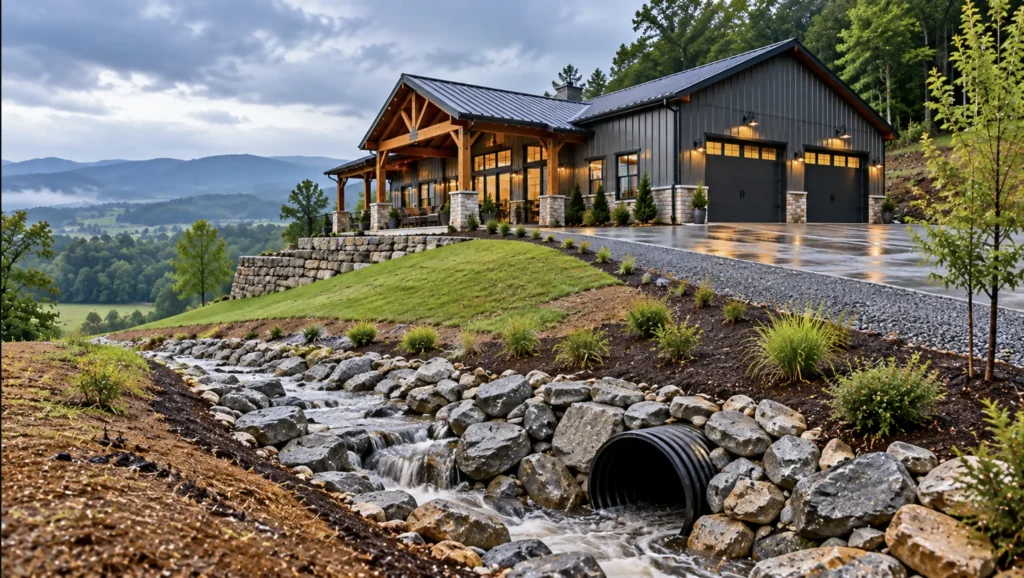
Most foundation problems in Tennessee start with water. Clay soils swell and shrink with moisture, limestone areas can have uneven bearing, and sloped lots move water toward or around the building.
Long-term foundation care is mostly drainage care. Keep gutters clear, keep downspout extensions in place, and maintain the slope of the soil away from the slab. Watch for new cracks that widen, doors that begin to bind, or gaps opening at baseboards, and have them checked early.
Sloped and hilly lots need the most attention. Around barndominium builders in Knoxville, TN, site work often includes swales and drainage paths on rolling ground, and keeping those clear of debris and erosion is part of routine maintenance.
In West Tennessee, flatter land and heavy rainfall mean water can sit longer around the building. Check that the site still drains after big storms and that low spots have not formed near the foundation.
What to Expect at 5, 10 and 15 to 20 Years
Around Year 5
- Recaulk exterior sealant joints that have cracked or pulled away
- Re-inspect roof fasteners and replace any with failed washers
- Touch up scratched or damaged panel coating
- Re-seal or refresh exterior wood trim or porch elements if present
Around Year 10
- Expect more widespread sealant renewal around penetrations and trim
- Service or replace overhead door springs and hardware as needed
- Have the HVAC system evaluated for efficiency and remaining life
- Check the water heater, which often needs replacement around this stage
- Review insulation and attic or roof space for any signs of moisture
Around Years 15 to 20
- Plan for possible HVAC replacement, which is common in this window
- Consider replacing exposed-fastener screws across the roof if many washers have aged
- Evaluate exterior finishes for repainting or coating if fading is significant
- Inspect windows and doors for seal failure and replace where needed
- Have the foundation and drainage reviewed if any movement has been noticed
These timelines are general. Product warranties, installation quality and exposure all change how quickly components age, so use manufacturer guidance for each system.
Have a question about maintaining your barndominium?
Utilities and Systems Maintenance for Rural Tennessee Barndos
Many Tennessee barndominiums sit on rural land with private systems that need their own care.
- Septic systems: have the system inspected regularly and pumped on the schedule your installer or local health department recommends.
- Private wells: test water quality periodically and service pumps and pressure tanks as needed.
- Electrical: check outdoor outlets, shop circuits and any generator connections.
- Plumbing: protect exposed pipes and hose bibs before freezing weather.
A shell build and a complete build also change who maintains what. Understanding the difference between a shell and complete barndo build matters here, because owners who finish the interior themselves are also taking on responsibility for how those systems were installed.
Barndominium Maintenance vs a Traditional House
Compared with a typical wood-framed house, a well-built barndominium usually needs less exterior upkeep. Metal siding does not need regular painting, steel framing resists rot and termites, and metal roofs generally last longer than asphalt shingles.
The maintenance focus shifts rather than disappears. Barndos need more attention to fasteners, sealants, condensation control and drainage, while traditional homes need more attention to paint, wood rot and roof replacement. Owners comparing long-term costs often also ask is a barndominium cheaper than a house, and maintenance is part of that answer over a 20-year period.
Common Barndominium Maintenance Mistakes
Ignoring Small Roof Leaks
A minor drip at a fastener or vent can soak insulation for months before it shows on a ceiling. Investigate any leak promptly.
Letting Gutters Overflow
Overflowing gutters dump water at the foundation, which is one of the fastest ways to create drainage and slab problems in Tennessee.
Using Harsh Cleaners on Metal Panels
Abrasive pads, strong solvents and high-pressure washing too close to panels can damage coatings. Use mild soap, water and a soft brush.
Wiping Away Condensation Instead of Fixing It
Recurring condensation points to an air sealing, insulation or ventilation problem. Treat the cause, not the symptom.
Skipping HVAC Service
An HVAC system that is not maintained removes less humidity and works harder, which raises energy bills and moisture risk.
Building With Maintenance in Mind
The easiest maintenance is the kind designed out at the start. Good flashing details, the right panel system, roof runoff carried away from the slab, correctly sized HVAC and a properly detailed building envelope all reduce how much work the home needs later.
That is one reason owners choose a turnkey barndominium in Tennessee over coordinating separate trades. When the same team designs the structure, envelope, roof and site drainage, those systems are planned to work together and are easier to maintain as one building.
Choosing experienced barndominium builders in Tennessee also means you can ask for a maintenance plan at handover, including which panels, sealants and equipment were used and what each manufacturer recommends.
Conclusion
A Tennessee barndominium can last for many decades, but its lifespan depends on steady, sensible maintenance. The steel frame, slab and metal roof are durable. The parts that protect them, including sealants, fasteners, flashing, gutters, drainage and mechanical systems, need regular attention. Inspect once a year, act on small leaks and condensation quickly, and plan ahead for the larger tasks that come around years 10 to 20. With that approach, the home stays dry, efficient and structurally sound for the long term.
Frequently Asked Questions
How long do barndominiums last?
A well-built and properly maintained barndominium can last 50 years or more. The steel frame, concrete foundation and metal roof are long-life components. Lifespan depends most on keeping water out, so sealants, fasteners, flashing and drainage need regular maintenance.
Do barndominiums last longer than traditional houses?
They can. Steel framing resists rot and termites, and metal roofs generally outlast asphalt shingles. A traditional house that is well maintained can also last for generations, so the real difference comes down to construction quality and how consistently each home is cared for.
How often should a barndominium metal roof be inspected?
Inspect the roof at least once a year and after major storms or hail. Look for loose or backed-out fasteners, cracked sealant around penetrations, damaged trim and scratches in the coating. Exposed-fastener roofs usually need more attention over time than standing seam roofs.
What are the most common problems with barndominiums?
The most common problems are condensation and moisture inside the building envelope, leaks at roof fasteners or penetrations, and drainage issues around the foundation. Most of these trace back to design or installation details and can be reduced with proper insulation, air sealing, flashing and site grading.
Are barndominiums low maintenance in Tennessee?
Compared with many traditional homes, yes, especially for exterior painting and wood repair. Tennessee humidity, rainfall and storms still mean regular checks of the roof, gutters, sealants, HVAC and drainage are needed. A yearly inspection and prompt repairs keep maintenance manageable.